How to Plan a Vow Renewal Ceremony
Some couples reach an anniversary and realize they do not want a big production. They want a pause. A gathering. A few honest words spoken with more certainty than they had years ago. If you want to plan a vow renewal ceremony, that instinct matters more than any trend, theme, or timeline.
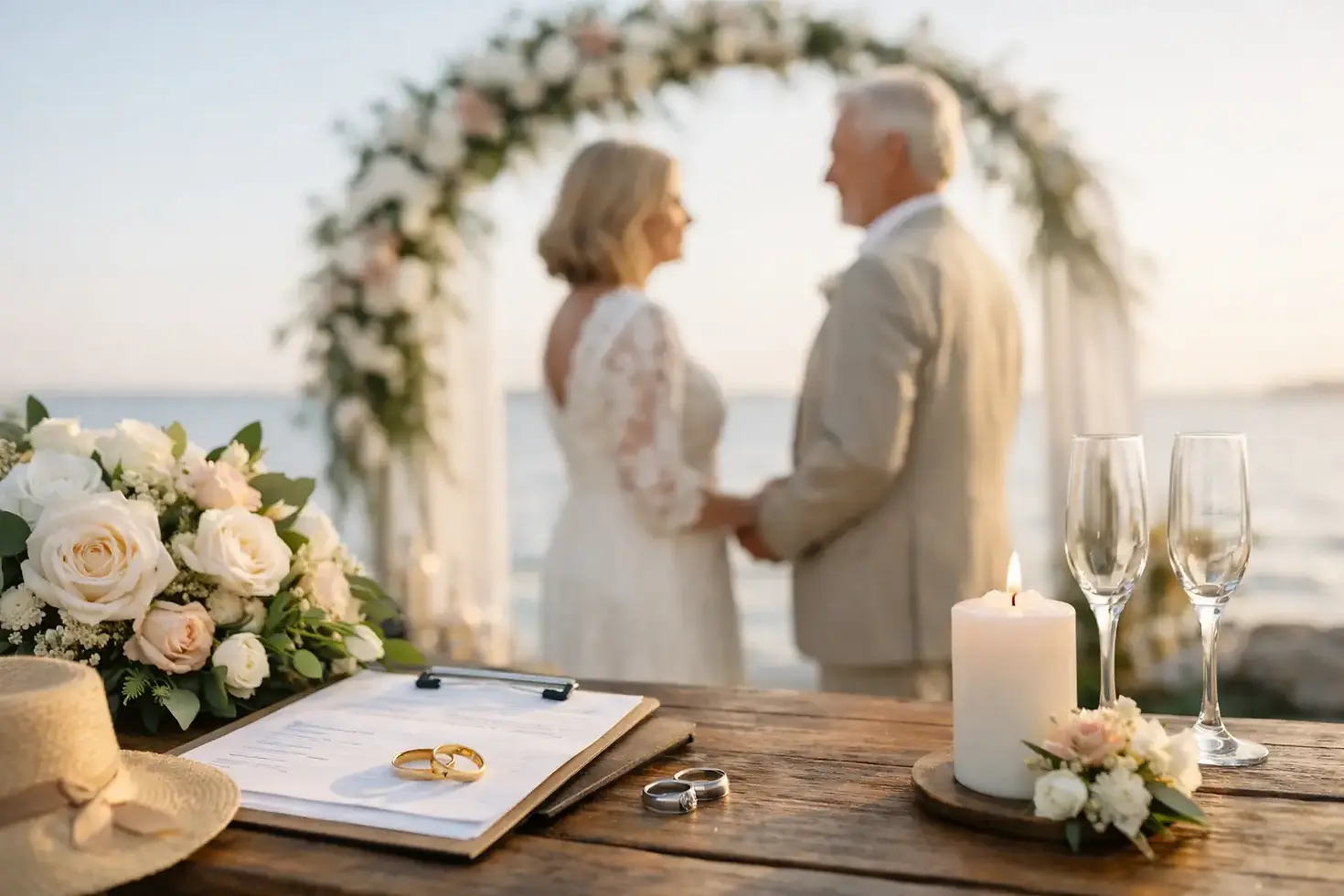
A vow renewal is not about recreating your wedding exactly as it was. It is about honoring who you are now. That can mean something quiet and private on a beach at sunset, or a room full of family and friends who have watched your relationship deepen through real life - the beautiful parts, the hard parts, and the ordinary days that ended up meaning everything.
What a vow renewal ceremony is really for
The best vow renewals are not performances. They are reflections. For some couples, the moment marks ten, twenty, or thirty years of marriage. For others, it follows a season of change - recovery, parenthood, retirement, loss, or simply the feeling that it is time to speak love aloud again.
That is why planning starts with meaning before logistics. Ask yourselves a simple question: why now? Your answer does not need to sound poetic. It only needs to be true. Maybe you eloped years ago and never had the ceremony you wanted. Maybe your original wedding felt rushed or formal in ways that did not reflect you. Maybe you have grown into a marriage that deserves new language.
When that purpose is clear, every other decision becomes easier. You stop trying to impress people and start creating a moment that feels emotionally accurate.
How to plan a vow renewal ceremony with intention
Before you think about flowers, chairs, or music, decide what kind of emotional experience you want to create. Do you want the ceremony to feel sacred and still? Joyful and lighthearted? Family-centered? Deeply romantic? There is no single right tone, but there should be a consistent one.
Start with the setting. The right location is not always the fanciest one. It is the one that helps you feel present. Some couples choose their backyard because it holds real memories. Others return to the place they were married, or choose a shoreline, garden, or private venue that offers beauty without distraction. If your guest list is small, an intimate space often feels more powerful than a large one.
Then consider the guest experience. A vow renewal can include two people, ten people, or a hundred. The trade-off is emotional texture. A private ceremony gives you freedom and vulnerability. A larger gathering lets your community witness the promises that have shaped your life together. Neither is better. It depends on whether the moment you want is inward-facing or shared.
Timing matters too. Sunset is popular for good reason - the light is gentle, and the mood softens naturally. But a morning ceremony can feel peaceful and clear, especially if you are followed by brunch with your favorite people. If you are planning around an anniversary date, decide whether that exact date matters more than the comfort of your guests and vendors.
Build the ceremony around your story
This is where many vow renewals either become unforgettable or fall flat. A generic script may cover the basics, but it rarely captures the life you have actually lived together. If the ceremony is meant to honor your marriage, the words should sound like your marriage.
Think about the milestones that shaped you. Not just the polished highlights, but the moments that tested and revealed your bond. A move across the country. A season of caregiving. Building a home. Raising children. Learning how to disagree and stay tender. Love becomes more meaningful when it is named in the context of real life.
A personalized ceremony often includes a welcome, a reflection on your relationship, the renewal of vows, and a closing blessing or declaration. Some couples add readings, music, a ring exchange, or a ritual such as lighting a candle or blending sand. These can be beautiful additions, but only if they feel natural. If a symbolic ritual has no connection to your values or story, it can feel decorative rather than meaningful.
This is also where a skilled officiant can make a profound difference. Someone who listens closely, writes thoughtfully, and shapes your story into language that feels warm, respectful, and unmistakably yours can turn a simple gathering into something genuinely transformative. For couples who want that kind of care, Ceremonies By Hans offers a deeply collaborative approach rooted in meaning rather than templates.
Writing vows that feel honest
For many couples, the vows are the heart of the ceremony and the part that causes the most anxiety. The pressure usually comes from trying to sound impressive. You do not need impressive. You need recognizable.
Good renewal vows often begin with acknowledgment. Speak to what you have shared, what you have learned, and what you now understand about love that you could not have known on your wedding day. Then speak to the promises you want to make from this chapter forward. These promises can be deeply moving without being grand. I will keep listening. I will keep choosing kindness when life feels crowded. I will keep making room for your becoming.
If writing from scratch feels daunting, begin with a few prompts. What has your partner taught you? When have you felt most supported? What ordinary habit or trait has become precious over time? What promise matters now, in this season of your life? The answers will give you language with texture and truth.
One practical note: keep your vows long enough to feel substantial, but short enough to stay grounded. Usually one to three minutes each is plenty. Emotion lands better when it is clear.
Should your vow renewal be formal or relaxed?
This is one of the most personal decisions when you plan a vow renewal ceremony. Some couples want elegant attire, a processional, a beautifully styled space, and a celebratory dinner afterward. Others want bare feet in the grass, handwritten vows, and a toast with a few close friends.
Formality is not the same as meaning. A tailored event can feel deeply intimate, and a casual gathering can feel sacred. The key is alignment. If you are naturally low-key, forcing a highly produced event may create distance instead of connection. If you love beauty and ritual, do not downplay that just to seem easygoing.
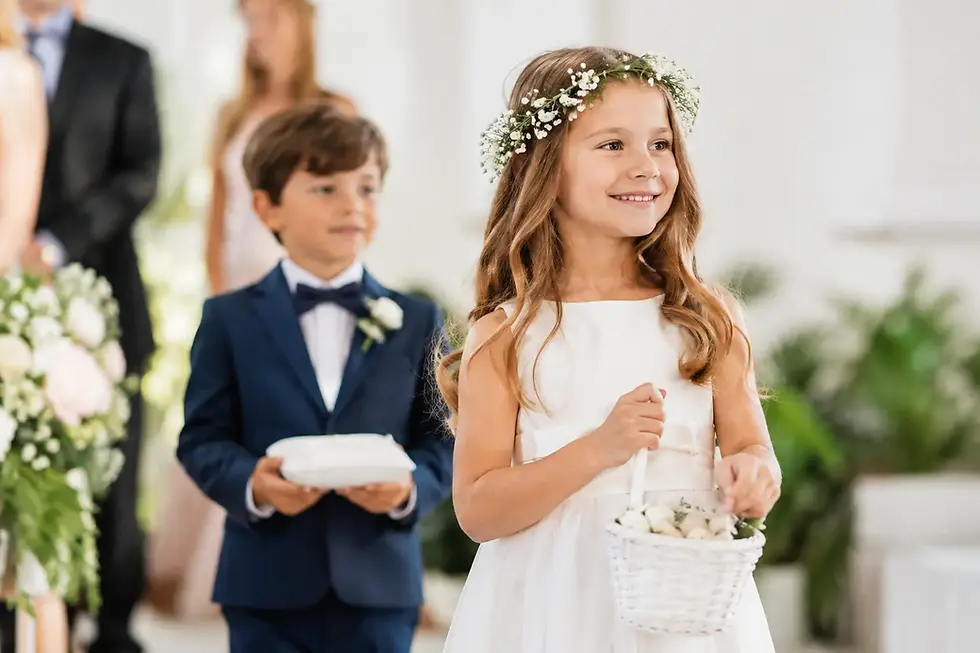
The same goes for family involvement. Children can take part in ways that are lovely and grounding - offering a reading, walking with you, holding rings, or simply being named and honored during the ceremony. If your marriage has grown into a wider family story, letting that be visible can add real emotional weight.
Details that support the feeling
Once the heart of the ceremony is clear, the practical pieces become easier to choose. Music should support the mood rather than overpower it. Floral design, seating, and decor should feel like an extension of the atmosphere you want to create. If you are including photography, let your photographer know the emotional moments that matter most, especially if the ceremony is small and quiet.
Think about comfort too. Outdoor ceremonies are beautiful, but weather, seating, sound, and timing need attention. If guests cannot hear the vows or are distracted by heat, cold, or wind, the emotional focus shifts. Practical planning is not separate from meaning. It protects it.
If you are inviting guests from different parts of your life, a vow renewal can also benefit from a little hosting care. A welcome drink, a thoughtful program, or a simple note explaining why this gathering matters can help people arrive more fully in the moment.
Give yourselves permission to do it your way
There is a quiet freedom in vow renewal planning because fewer rules apply. You are not trying to satisfy wedding traditions, family expectations, or a legal checklist in the same way. That freedom can feel expansive, but it can also make couples second-guess themselves.
If that happens, come back to the center of the day. This ceremony is about witness, gratitude, and renewed intention. It does not need to be extravagant to be unforgettable. It needs to sound like you, feel like you, and reflect the life you have built together.
Sometimes the most moving ceremonies are the ones that leave room for breath. A little silence after the vows. A hand squeeze. A laugh that breaks the tears. The beauty is rarely in doing more. It is in recognizing what is already true and giving it words.
If you are planning this moment, let it be gentle. Let it be personal. Let it honor not just the day you first said yes, but every quiet, faithful yes that followed.


Comments