12 Meaningful Wedding Ceremony Ideas
Updated: Apr 20
The part most couples remember is rarely the napkin color or the signature cocktail. It is the moment they stand together, breathe through the nerves, and hear words that sound like them. That is why meaningful wedding ceremony ideas matter so much. A ceremony is not just the beginning of the celebration. It is the heart of it.
When a ceremony feels personal, guests lean in. The couple relaxes into the moment. The promises carry weight because they are rooted in real life, not borrowed language. Meaning does not have to come from formality or tradition alone. It can come from honesty, intentionality, and the quiet courage to shape a ceremony around what actually matters to you.
What makes meaningful wedding ceremony ideas truly meaningful?
The answer is usually simpler than couples expect. Meaning comes from recognition. It comes from hearing your story told with care, choosing rituals that reflect your values, and making space for emotion without forcing it.
That does not mean every ceremony needs to be deeply spiritual, poetic, or unconventional. For some couples, meaning lives in a classic structure with just a few personal touches. For others, it lives in rewriting the entire experience so it feels intimate, inclusive, and fully their own. Neither approach is more valid. The best choice depends on your relationship, your families, and how you want to feel when the ceremony begins.
A useful question is this: if someone removed your names from the script, would it still sound like your ceremony? If the answer is yes, there is room to go deeper.
Meaningful wedding ceremony ideas that feel personal, not performative
Tell your story with intention
One of the most powerful ways to create a meaningful ceremony is to include a thoughtfully written love story. Not a rushed timeline of how you met, but a reflection on what shaped you as a couple. Maybe your relationship grew through friendship first. Maybe you found each other after loss, healing, or a season of change. Maybe your bond is built on laughter, steadiness, and ordinary loyalty.
When your story is told well, it helps everyone present understand the gravity of the moment. It also brings you back to yourselves, especially if wedding planning has started to feel noisy. A good story section should feel warm and specific, not like a stand-up routine and not like a public diary. The balance matters.
Write vows that sound like your real voice
Personal vows often become the emotional center of the ceremony, but they do not need to be long to be meaningful. The strongest vows are usually clear, sincere, and grounded in everyday devotion. Promising to keep choosing one another during change can be more moving than a paragraph of polished romance.
For some couples, fully self-written vows feel right. For others, that level of vulnerability feels overwhelming. A blended approach can work beautifully: a shared vow framework with a few personalized lines from each partner. Meaning grows when the vows feel honest enough to be spoken with confidence.
Include a ritual that reflects your values
Ritual can deepen a ceremony when it has genuine relevance. A unity candle, handfasting, ring warming, wine box ritual, tree planting, or blessing of the hands can all be moving choices, but only if they fit the couple. A ritual should illuminate your relationship, not fill time.
If you are drawn to symbolic elements, ask what the action represents. Are you honoring heritage? Creating a shared spiritual moment? Involving loved ones? Marking the joining of children and family? The meaning should be clear to you first. Guests will feel that clarity.
Invite loved ones into the ceremony in a way that feels natural
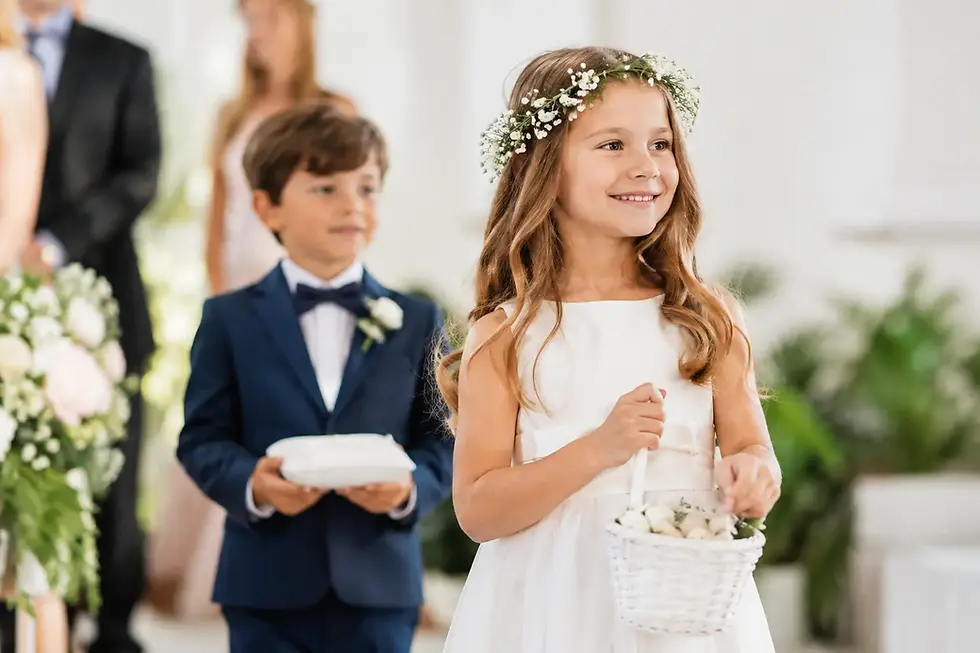
Some couples want family involvement but do not want the ceremony to become crowded or disjointed. There is a graceful middle ground. A parent might offer a blessing. A close friend might do a reading. Children can participate with rings, flowers, or a family promise. In blended family ceremonies, inviting children to be verbally acknowledged can be especially powerful.
The key is intention. Including people simply because you feel obligated can dilute the moment. Including them because they have truly shaped your life together adds emotional depth.
Personalized ceremony ideas for different kinds of couples
For couples who want something non-traditional
If a traditional script feels too distant, you are allowed to begin elsewhere. You might open with a moment of silence, a welcome that acknowledges all forms of love, or a reflection on the kind of marriage you hope to build. You might stand in a circle with guests, walk in together, or remove parts of the ceremony that do not resonate.
Non-traditional does not mean less sacred. Often it means more conscious. It asks you to choose each element rather than inherit it automatically.
For couples who love tradition but want more heart
You do not need to reinvent everything to create meaning. A classic ceremony can feel deeply personal with a custom welcome, a story woven into the script, and vows or readings chosen with care. Even small shifts in language can make a familiar structure feel intimate and alive.
This is often the right path for couples balancing personal preferences with family expectations. It honors the shape of tradition while making room for authenticity.
For interfaith or culturally blended couples
Some of the most meaningful ceremonies are the ones that make room for more than one story. If you are blending cultures, faith traditions, or family customs, your ceremony can become a place of beautiful coexistence. That might mean including two readings from different traditions, adapting wording to feel inclusive, or explaining a ritual so every guest understands its significance.
These ceremonies benefit from thoughtful pacing and careful language. The goal is not to squeeze everything in. It is to create a coherent experience where both partners feel seen and respected.
For couples with children or blended families
When children are part of the marriage, the ceremony can acknowledge that the commitment extends beyond the couple. A family vow, a token exchange, or a spoken promise of belonging can transform the emotional tone of the day.
This kind of inclusion should be age-appropriate and pressure-free. Some children love being central to the moment. Others feel shy or uncertain. A meaningful gesture does not need to be elaborate to be lasting.
The details that quietly shape a meaningful ceremony
Music matters more than many couples expect. The right processional or instrumental piece can create an emotional bridge into the ceremony before a single word is spoken. Readings matter too, but only when they feel connected to your relationship. A beautiful passage that means nothing to you will land flat.
Pacing is another quiet but powerful factor. Ceremonies need room to breathe. If every second is packed, the moment can feel rushed instead of reverent. A pause after vows, a moment before the pronouncement, or a breath after a reading allows emotion to settle.
Language matters just as much. Inclusive, thoughtful wording helps a ceremony feel welcoming and genuine. This is especially important for couples who do not identify with rigid religious formulas, for second marriages, and for anyone who wants the words spoken aloud to reflect their real values.
How to choose the right meaningful wedding ceremony ideas
Start by thinking less about trends and more about memory. Years from now, what do you want to remember feeling? Grounded, joyful, spiritual, connected, surprised, held by your community? That emotional answer can guide every decision that follows.
Then consider your guests, but do not let guest expectations take over. A ceremony should be hospitable, not performative. It can honor family and still remain true to you. When couples try to please everyone, the ceremony often becomes generic. When they choose with care, guests usually respond with warmth because authenticity is easy to recognize.
It also helps to think about limits. If public speaking makes you panic, fully improvised vows may not serve you well. If you are hosting a large wedding, a highly interactive ritual may feel cumbersome. If you are planning an intimate gathering, quieter ceremonial moments may land beautifully. Meaning is never one-size-fits-all.
This is where working with a thoughtful officiant can make all the difference. Someone skilled in both ceremony design and storytelling can help you sort through what feels symbolic, what feels unnecessary, and what will truly resonate when the day arrives. At Ceremonies By Hans, that collaborative process is part of what turns a legal event into something deeply felt.
The most memorable ceremonies are rarely the most extravagant. They are the ones where the couple feels fully present inside their own promises. If your ceremony reflects your story with honesty and care, it does not need to be louder, trendier, or more elaborate. It only needs to feel true when you say, yes, this is us.


Comments