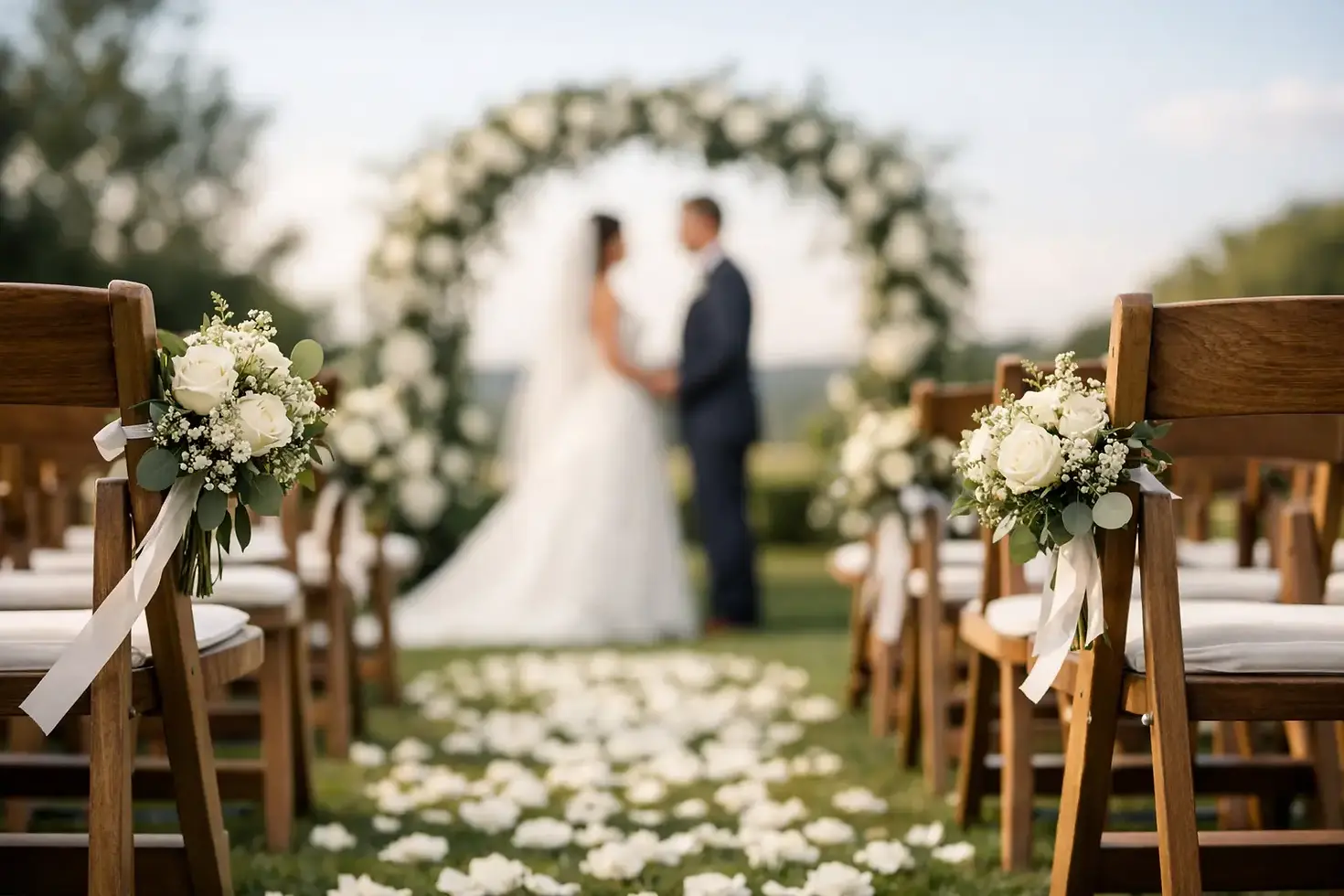
A Guide to Wedding Ceremony Structure
A beautiful ceremony rarely feels random. Even the most relaxed, intimate gathering has a rhythm to it - a way of welcoming people in, honoring what matters, and carrying two people toward a meaningful yes. If you are looking for a guide to wedding ceremony structure, what you likely want is not a rigid script. You want to understand the flow well enough to shape a ceremony that feels true to your relationship.
That distinction matters. Ceremony structure is not there to make your wedding feel formal for formality’s sake. It gives emotional shape to the moment. It creates space for anticipation, reflection, laughter, tenderness, and commitment. When the structure is thoughtful, your guests are not just watching a sequence of events. They are being gently invited into your story.
What a wedding ceremony structure is really doing
At its heart, a wedding ceremony structure moves everyone through a shared emotional experience. It begins with arrival, gathers attention, speaks to the meaning of the moment, and then leads to the vows and legal commitment. After that, it offers release - the kiss, the pronouncement, the joyful recessional.
This is why a good ceremony is more than a checklist. Yes, there are practical pieces, especially if you are getting legally married and need the right declarations and signatures. But the deeper purpose is to create coherence. Each part should feel like it belongs to the next.
Some couples worry that structure will make their ceremony feel stiff. Usually, the opposite is true. A clear structure gives you freedom. Once the framework is in place, you can personalize the words, music, rituals, and tone in ways that feel deeply your own.
A guide to wedding ceremony structure, step by step
Most ceremonies include a version of the same core arc, even when they are highly personalized or non-traditional.
The gathering and processional
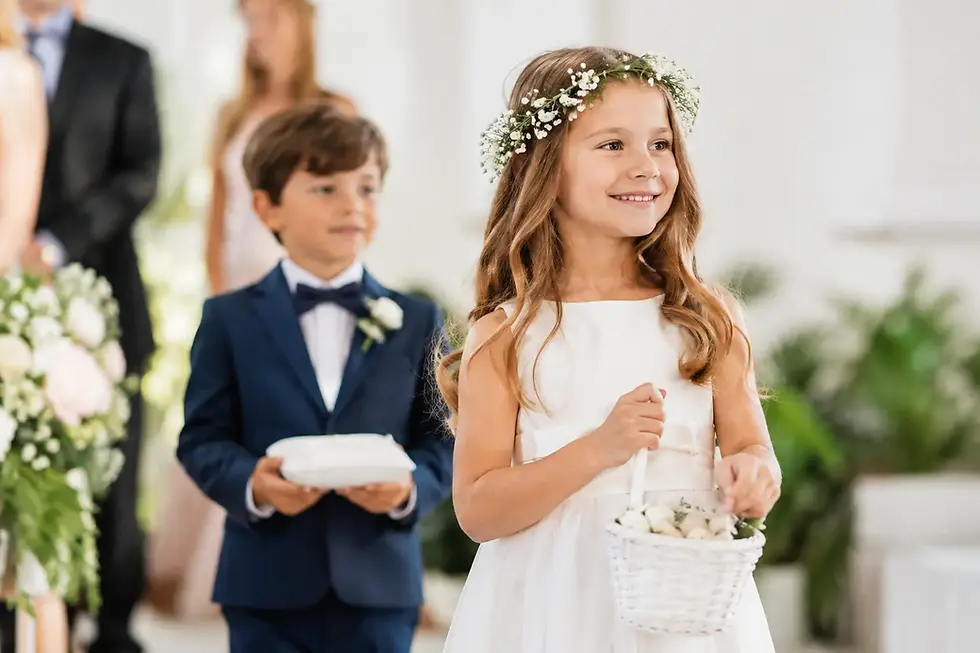
This is the threshold moment. Guests settle, music begins, and the ceremony shifts from anticipation to presence. The processional can be traditional, simple, playful, or completely reimagined. Some couples walk in separately. Some walk in together. Some include parents, children, or chosen family. There is no single right way.
What matters is that the entrance reflects the feeling you want to create. A formal processional can bring a sense of reverence. A shared entrance can express equality and partnership. A smaller ceremony may not need much choreography at all. If the setting is intimate, sometimes the most moving entrance is the simplest one.
The welcome
Once everyone is gathered, the officiant welcomes your guests and opens the ceremony. This is often brief, but it sets the tone for everything that follows. It can acknowledge the significance of the day, the presence of loved ones, and the values that have brought everyone together.
For many couples, this is also the place to signal what kind of ceremony this will be. If your ceremony is spiritual but not tied to one tradition, the language can reflect that. If it is secular, inclusive, and centered on your relationship story, the welcome can make that clear right away.
Opening words or a story-centered reflection
This is where the ceremony begins to breathe. Some officiants offer a short reflection on marriage, commitment, or partnership. Others weave in the couple’s story - how they met, what they’ve built, what makes their bond distinctive. In personalized ceremonies, this section often becomes the emotional center.
Done well, it should not sound generic or performative. It should sound like someone has truly listened. A story-centered reflection gives guests a way to recognize the couple they love, not just the idea of a couple. It can be tender, lighthearted, poetic, or grounded. Usually, the strongest version blends warmth with honesty.
Readings, music, or meaningful contributions
If you want to involve loved ones, this is often the natural place. A friend might read a poem. A sibling might share a blessing. A musician might perform a song that holds meaning for you. These additions can deepen the ceremony, but they should serve the flow rather than interrupt it.
This is one of those places where more is not always better. One thoughtful reading can land more powerfully than three. A ceremony should feel full, not crowded. If you are deciding what to include, ask whether each element adds emotional clarity or simply adds time.
The declaration of intent
This is the moment when each of you states your intention to marry. It may be framed as the familiar “Do you?” exchange, or it may be written in language that feels more personal. Legally, the exact requirements depend on where you are getting married, so this is one area where your officiant’s guidance matters.
Emotionally, this moment is often underrated. Before the vows, before the ring exchange, there is something powerful about hearing a clear and wholehearted declaration. It brings simplicity to the center of the ceremony: I am here, by choice, and I say yes.
Vows
For many couples, this is the moment they have been building toward. Personal vows can be unforgettable because they carry the texture of real life - promises shaped by shared history, private tenderness, and the future you hope to create together.
That said, personal vows are not the only meaningful choice. Some couples prefer traditional vows because they feel grounded and timeless. Others blend both - a legal or classic vow during the ceremony, followed by private letters exchanged later. If you are worried about nerves, this can be a generous compromise.
The best vow choice is the one that allows you to be present. If writing your own feels expansive and true, do it. If it feels stressful to the point of disconnection, a more guided approach may serve you better.
Ring exchange
The ring exchange gives physical form to the promises you have made. It is symbolic, familiar, and often surprisingly emotional. The words spoken here can be very simple or more tailored to your values and style.
Some couples include additional symbols or shared gestures here, especially in blended family ceremonies or culturally rooted celebrations. Again, the question is not whether you can include something meaningful. It is whether it belongs in the emotional rhythm of your ceremony.
Unity rituals or symbolic elements
Not every ceremony needs a unity ritual. Some couples love them because they make the symbolism visible. Others find them distracting or less personal than words. This is a true it-depends moment.
If you are considering a candle lighting, handfasting, wine ritual, tree planting, or family vow, choose something that resonates with your relationship rather than something that feels expected. Symbolic gestures are most moving when they reflect real meaning, not when they are added to fill space.
Pronouncement and kiss
This is the moment of release. After all the intention and emotion that came before, the pronouncement marks the transition. You are married. The kiss that follows is not just celebratory. It is the ceremony’s exhale.
Because this moment is so anticipated, it helps when the words leading into it feel earned. A thoughtful ceremony does not rush toward the ending. It arrives there with grace.
Signing the license and recessional
Depending on your location and your preference, the signing may happen during the ceremony or immediately after. If it takes place in view of guests, music can help maintain the feeling of continuity.
Then comes the recessional - joyful, relieved, radiant. This is your first walk out as a married couple, and it deserves its own energy. After the depth and stillness of the vows, the recessional lets everyone celebrate.
How personalized should your ceremony structure be?
Personalization does not mean reinventing every part. Often, the most memorable ceremonies use a familiar structure with deeply personal language inside it. That balance can be especially comforting for guests while still feeling intimate and distinctive.
If you change too much, the ceremony can lose its shape. If you change too little, it can feel borrowed. The sweet spot is a structure that supports the experience while making room for your voice, your values, and your story.
This is where working with a thoughtful officiant makes a difference. Someone who understands both ceremony craft and legal requirements can help you shape the order in a way that feels natural, not templated. Ceremonies By Hans, for example, approaches wedding ceremonies as collaborative storytelling as much as legal solemnization, and that perspective can transform the entire experience.
Common mistakes couples make when planning ceremony flow
One of the most common mistakes is treating the ceremony as the part you get through before the celebration begins. In truth, the ceremony is the heart of the day. When it is rushed or under-planned, couples often feel that loss afterward.
Another mistake is overloading the ceremony with too many components. A meaningful structure has movement. If there are too many readings, rituals, or transitions, the emotional thread can start to fray.
The final mistake is choosing words that sound nice but do not sound like you. The language in your ceremony does not need to impress anyone. It needs to feel honest when spoken aloud.
Creating a ceremony that feels like home
The most moving wedding ceremonies are not necessarily the most elaborate or the most traditional. They are the ones where the structure holds the moment gently, where each part belongs, and where the words sound lived-in and true.
If you think of ceremony structure as a container rather than a script, it becomes much easier to make wise choices. You can keep what resonates, release what does not, and build a flow that honors both the significance of the occasion and the reality of your relationship.
A wedding ceremony should not feel like borrowed language wrapped around your love story. It should feel like a sacred pause where your story is spoken clearly, witnessed fully, and carried forward with intention.


Comments