Elopement vs Traditional Wedding Officiant
Updated: Sep 20
A ceremony can be shared beneath towering pines with only two witnesses nearby, or in a room filled with everyone who has loved you into this moment. When couples consider an elopement vs traditional wedding officiant, the real question is rarely about which ceremony is better. It is about which setting gives your promises the space to feel true.
The right officiant does more than arrive with legal paperwork and cue the exchange of rings. They hold the emotional center of the day. Whether you are planning a quiet morning ceremony or a joyful gathering with 150 guests, your officiant should help your relationship feel seen, heard, and honored in language that sounds like you.
An officiant serves the ceremony, not the guest count
An elopement officiant and a traditional wedding officiant often perform the same essential legal role: confirming that the marriage requirements are met and guiding you through the words that make your commitment official. What changes is the atmosphere, the pacing, and the kind of support a couple may need.
An elopement is usually intimate by design. It may include just the couple, a photographer, required witnesses, and perhaps a few beloved family members. Without the logistics of a full wedding day, the ceremony can be unhurried and deeply personal. There is room for silence, for a private letter, for a walk to a meaningful location, or for vows that might feel too tender to speak before a crowd.
A traditional wedding offers a different kind of beauty. Family and friends become active witnesses to the promises you make. Their presence can create a powerful sense of community, especially for couples who want to honor parents, children, cultural traditions, or the people who have shaped their love story. The ceremony may need more structure, clearer transitions, and thoughtful attention to everyone gathered.
Neither format requires a generic ceremony. A small ceremony deserves more than a rushed legal script, just as a larger celebration should never lose the couple at its center.
Elopement vs traditional wedding officiant: what changes?
The greatest difference is not the sincerity of the commitment. It is the container around it.
Elopements invite intimacy and flexibility
For many couples, an elopement feels like permission to let go of expectation. There may be no seating chart, no long processional, and no concern about pleasing a room full of people with different beliefs or opinions. That freedom can make space for a ceremony that is wonderfully specific to the two of you.
An officiant for an elopement should be comfortable working with the natural rhythm of a smaller day. Perhaps you want to stand by a lake at sunrise, exchange handwritten vows in a quiet garden, or include a brief ritual that would not translate to a large reception timeline. The officiant’s role is to create calm, guide the legal elements, and offer words that feel soulful without overwhelming the intimacy of the moment.
Elopements can also carry practical considerations. Outdoor locations may be windy, public, remote, or subject to changing weather. A thoughtful officiant can help create a ceremony that remains meaningful even when the plan shifts. The goal is not perfection. It is presence.
Traditional weddings benefit from thoughtful structure
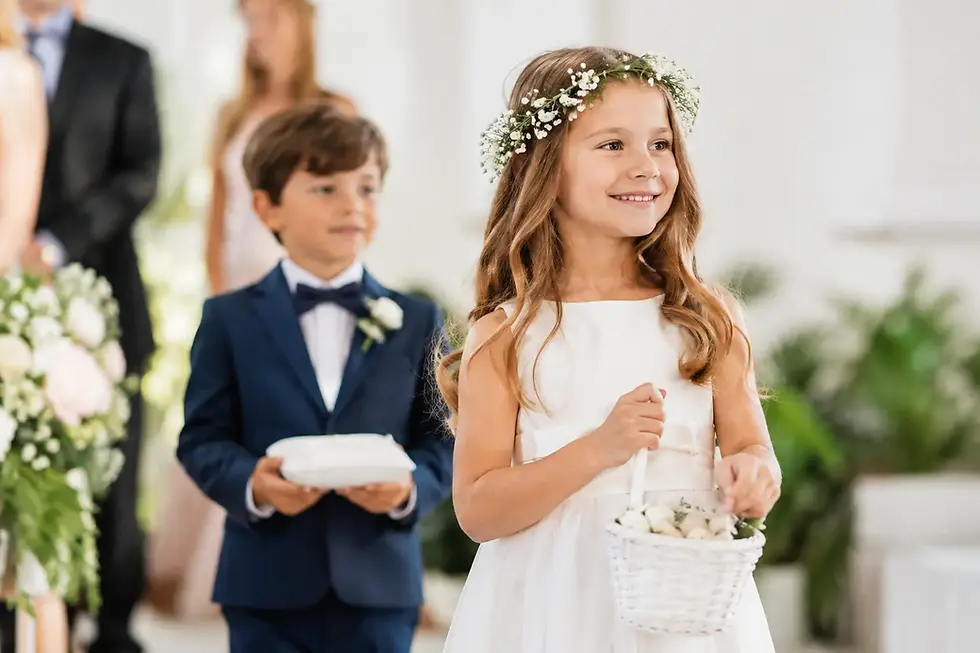
At a traditional wedding, the ceremony often has more moving parts. There may be a wedding party, music cues, readings, family rituals, children in the processional, or a venue schedule that needs to be respected. Your officiant becomes both a warm storyteller and a steady guide, helping the ceremony unfold with confidence.
This does not mean the ceremony needs to feel formal or stiff. A well-crafted traditional wedding ceremony can still be personal, inclusive, and full of heart. It can tell the story of how you met, acknowledge the people who raised and supported you, and reflect your spiritual outlook without relying on words that do not feel like your own.
The best structure is one that helps everyone relax. When guests understand where to stand, when to sit, and when to participate, they can be fully present for what matters most: witnessing your commitment.
The level of personalization matters in both
Some couples assume a tiny elopement does not need a custom ceremony because there are few people to impress. In truth, this can be the very reason to personalize it. When there is no crowd and no production, every word carries more weight. A ceremony written with care becomes a keepsake of the moment you chose each other.
Others worry that a large wedding leaves little room for personal expression. But personalization is not limited to private vows or lengthy stories. It can appear in the welcome, the way your relationship is described, the values named in your promises, or a ritual that reflects your family. Even a concise ceremony can feel unmistakably yours.
A collaborative officiant will ask meaningful questions before writing. What makes you laugh together? What have you learned through challenge? What promises are you truly ready to make? Which traditions feel sacred, and which ones would you rather leave behind? The answers create a ceremony with emotional texture rather than a template with your names inserted.
Consider the legal side before choosing the setting
The legal requirements for marriage do not disappear because a ceremony is small. Before settling on a mountaintop, backyard, beach, or venue, make sure your officiant is authorized to legally solemnize marriages in the place where you will marry. You may also need a valid marriage license and the required number of witnesses.
For couples marrying in Ontario, it is especially helpful to work with a registered Ontario officiant who understands the local process and can explain what must happen before, during, and after the ceremony. Legal clarity gives you the freedom to focus on the emotional experience rather than paperwork on the day itself.
If you are traveling for an elopement, confirm the rules well in advance. Requirements can vary by location, and a beautiful destination should not become a stressful surprise. A legal ceremony at home paired with a symbolic destination ceremony can also be a meaningful option for some couples.
How to choose the right officiant for your kind of wedding
Rather than searching only for someone available on your date, listen for a sense of connection. Your officiant will speak some of the most memorable words of your wedding day. You should feel comfortable being honest with them about your relationship, your family dynamics, and your hopes for the ceremony.
For an elopement, ask whether they enjoy intimate ceremonies and can adapt to a less predictable setting. Do they make room for private vows, quiet pauses, and a ceremony that feels natural in the landscape? Can they offer a meaningful experience without turning a small moment into a performance?
For a traditional wedding, ask how they manage rehearsal, processional details, readings, blended families, and guest participation. A skilled officiant will bring gentle organization while protecting the tenderness of the ceremony. They should be able to help you balance beloved traditions with the freedom to write your own.
In either case, pay attention to the writing. Does the officiant offer a personal process, or are you choosing from a set script? Do their words make room for all identities, belief systems, and family structures? A ceremony should reflect the life you are building, not an outdated idea of what a wedding must be.
Let the ceremony match the marriage you are creating
A traditional wedding can be intimate. An elopement can be expansive. The number of chairs, guests, or floral arrangements does not determine the depth of the moment.
What matters is whether you can stand together and recognize yourselves in the words being spoken. Perhaps that happens with your closest people surrounding you. Perhaps it happens with only the sky, the trees, and two witnesses nearby. Ceremonies By Hans believes the most transformative ceremonies begin there: with attentive listening, honest storytelling, and promises that feel like home.
Choose the setting that lets you breathe more deeply, then choose an officiant who will treat your story as the sacred thing it is.


Comments