Why Choosing a Wedding Officiant on Price Alone May Be One of the Biggest Mistakes You Make
When couples begin planning their wedding, there are a lot of numbers flying around. The venue has a price. The photographer has a price. Flowers, catering, music, decorations, transportation, clothing, invitations — almost every part of a wedding comes with a price tag.
Naturally, couples begin comparing. And when it comes time to choose a wedding officiant, one of the first questions is often: “How much do you charge?”

A professional officiant’s work begins long before the wedding day.
There is absolutely nothing wrong with asking that question. Every couple has a budget, and responsible wedding planning means knowing what things cost. The problem begins when price becomes the only thing being compared.
Choosing a wedding officiant is very different from choosing between two identical products on a store shelf. You aren't simply purchasing 20 minutes of someone's time on your wedding day. You are choosing the person who will stand at the very centre of one of the most important moments of your life.
You are choosing the person who will welcome your family and friends, calm the nerves, guide the ceremony, tell part of your story, coordinate important moments, work alongside your other wedding professionals, handle the legal responsibilities surrounding your marriage, and ultimately create the atmosphere in which you become married.
That deserves a little more consideration than simply asking: “Who is the cheapest?”
Your Officiant Does Far More Than Say a Few Words
From the audience's perspective, an officiant may appear to have a relatively simple job. They arrive, stand at the front, say some words, the couple exchanges vows, everyone signs some paperwork, there's a kiss, everyone applauds, and the officiant leaves.
Simple, right? Not quite.
What your guests see is the final performance of work that may have begun weeks or months before your wedding day. A professional officiant spends considerable time preparing for a ceremony long before arriving at the venue.
There may be an initial consultation with the couple, correspondence back and forth, questionnaires, ceremony planning, script preparation, revisions, discussions about vows and readings, confirmation of names and pronunciations, communication about the wedding party, rehearsal planning, travel arrangements, timelines and final logistics.
And that's before the wedding day even begins.
The ceremony itself may only last 15, 20 or 30 minutes, but judging an officiant's value based only on those minutes would be like judging a photographer based solely on the amount of time it takes to press the shutter button. The visible part is only a small portion of the service being provided.
A Wedding Officiant Helps Set the Tone for the Entire Ceremony
Think about the first few moments of a wedding ceremony. Guests are seated. People are talking. Someone is wondering whether they are sitting on the right side. A child may be becoming impatient. The wedding party is getting organized. The photographer is checking angles. The DJ or musician is preparing the processional music. One partner may be standing at the front feeling increasingly nervous, while somewhere nearby, the other partner is preparing to walk down the aisle.
Then the ceremony begins.
At that moment, someone has to take control of the room. That person is usually the officiant.
A confident officiant brings everyone's attention together and creates the transition between the activity of the wedding day and the significance of the ceremony. Their voice, presence, pacing and personality immediately establish the atmosphere.
Is this going to feel extremely formal? Relaxed? Romantic? Joyful? Warm? Personal? A little humorous?
The officiant plays an enormous role in answering those questions. In many ways, your officiant becomes the Master of Ceremonies for the ceremony itself.
Not the reception. Not the speeches later in the evening. But during the ceremony, the officiant is the person guiding almost everyone through what happens next. When that guidance is done well, most guests never even notice it. Everything simply feels natural. That is exactly the point.
Great Ceremonies Often Look Effortless Because Someone Made Them That Way
There is an interesting thing about experienced professionals. When they are very good at what they do, they often make their work look easy.
A polished wedding ceremony should flow naturally. The processional finishes. Everyone settles. The officiant welcomes the guests. The couple relaxes. The ceremony moves smoothly into the vows. The rings appear when they are supposed to. The witnesses know when they are needed. The signing happens without confusion. The couple returns to the centre. The pronouncement is made. The kiss happens. The guests cheer. The couple is presented. Music starts. The newlyweds walk back down the aisle.
Beautiful.
But underneath those apparently effortless 20 minutes are dozens of small details. Someone has thought about the order. Someone has confirmed the names. Someone knows when everyone needs to stand. Someone knows what happens if the rings are forgotten. Someone knows when the witnesses are needed. Someone has made sure the ceremony contains the required elements. Someone knows what to do if the music starts late. Someone knows how to handle a nervous couple.
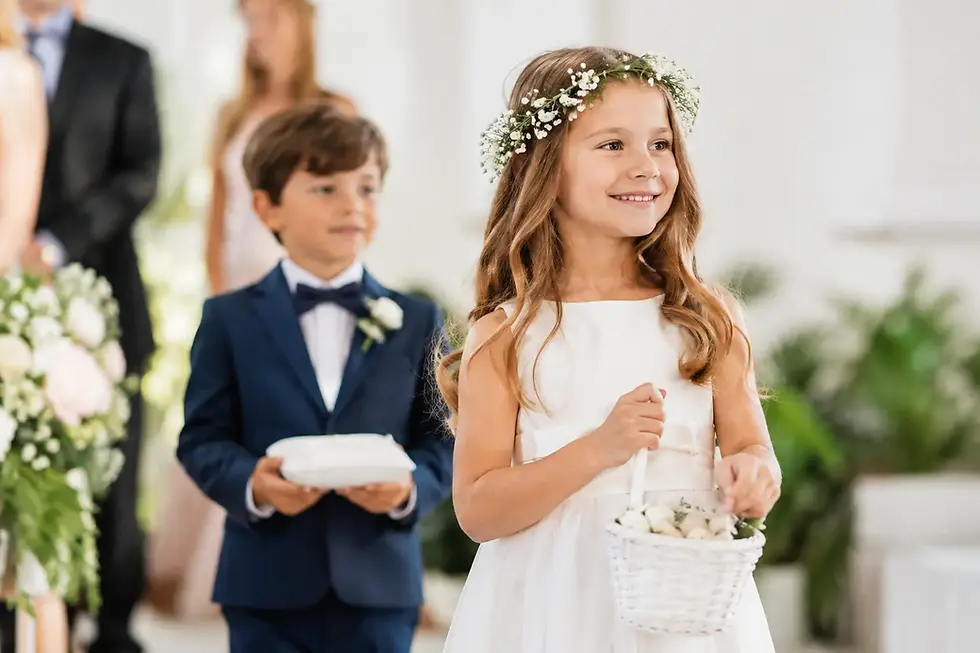
Someone knows how to recover when the best man suddenly realizes the rings are still in the hotel room, or when a flower girl decides halfway down the aisle that she is absolutely not going any farther.
Weddings are live events. There is no editing room. There is no second take. A professional officiant understands that.
You Are Paying for Preparation, Not Just Performance
Imagine hiring someone to speak publicly at one of the most important events of your life without preparation. Most couples would never intentionally do that.
Yet when couples compare officiants based only on the length of the ceremony, preparation can easily be overlooked. A professional officiant should take time to understand what you want.
Not every couple wants the same wedding ceremony. Some couples want something romantic and traditional. Others want something relaxed and lighthearted. Some want humour. Others prefer something simple and understated. Some couples want personal vows. Some absolutely do not. Some want family members involved. Some want readings. Some want cultural traditions incorporated. Others want the shortest ceremony possible so they can get to the celebration.
There is no single correct wedding ceremony. There is only the ceremony that feels right for the two people getting married.
A good officiant listens first. Then they help create the experience.
That preparation may include reviewing questionnaires, having planning conversations, helping structure the ceremony, discussing vows, confirming logistics and making sure that what happens on the wedding day reflects the couple's wishes. That time matters.
The Officiant Is Often the Calm Person in the Middle of a Very Emotional Moment
Weddings are joyful. They can also be emotional, unpredictable and occasionally chaotic.
People who are normally calm can become nervous. People who rarely cry suddenly cannot stop. Someone forgets something. Someone is late. The weather changes. A microphone stops working. A guest isn't where they are supposed to be. A member of the wedding party suddenly asks: “What am I supposed to do?”
Meanwhile, two people are about to make one of the biggest commitments of their lives.
A good officiant understands that part of the job is not simply reading a script. It is creating confidence.
Sometimes that means reassuring a nervous partner before the ceremony begins. Sometimes it means quietly giving instructions to the wedding party. Sometimes it means working with the photographer, DJ or wedding coordinator to solve a small problem before the couple even realizes there was one.
And sometimes it means recognizing that one of the couple is overwhelmed, smiling at them and quietly saying, “You're doing great.”
Those moments will never appear on an invoice, but they are part of the value of hiring someone experienced and professional.
Your Officiant Works With the Rest of Your Wedding Team
Wedding ceremonies involve more coordination than many couples realize. The officiant is rarely working alone.
There may be a wedding planner or day-of coordinator. There may be a venue coordinator. There may be a DJ responsible for ceremony music and microphones. There may be musicians. There will almost certainly be a photographer. There may be videographers. There may be readers, singers or family members participating in the ceremony. There may be children in the wedding party. There may be grandparents who require extra time or assistance.
Someone needs to understand how all of those pieces fit together.
An experienced officiant knows that a wedding ceremony works best when the professionals involved operate as a team. The photographer needs to know what is coming. The DJ needs cues. The wedding party needs direction. The couple needs reassurance. The witnesses need to know when they will be signing.
Small amounts of communication between professionals can make an enormous difference. The best coordination is often invisible to the couple. They simply experience a ceremony that feels organized, relaxed and natural.
There Is Also a Legal Responsibility
A wedding ceremony is romantic. It is emotional. It is symbolic. But it also has a legal component.
When you hire someone to solemnize your marriage, you are entrusting that person with responsibilities that extend beyond speaking beautifully. Your officiant needs to understand their legal responsibilities and ensure that the required elements relating to the solemnization and documentation of the marriage are properly handled.
That should matter when selecting the person you hire.
A marriage ceremony is not the place for someone to be figuring things out as they go. Professionalism matters. Organization matters. Accuracy matters. Experience matters.
Couples should feel confident that the person standing in front of them understands both the ceremonial and administrative responsibilities associated with the role.
Personality Matters More Than Couples Sometimes Realize
There is another reason shopping exclusively by price can be risky.
You need to actually like your officiant.
That sounds obvious, but it is often overlooked.
Your officiant will be standing only a few feet away from you during an incredibly intimate moment. They will be speaking directly to you. They may tell parts of your story. They may guide you through your vows. They will interact with your family. They will appear in your wedding photographs. Their voice will probably be heard throughout your wedding video. Their energy will become part of your memory of the day.
That makes personality important.
You should feel comfortable talking with your officiant. You should feel that they listen to you. You should feel that they understand the type of ceremony you want. You should feel confident that when something unexpected happens, they will handle it.
Perhaps most importantly, you should feel comfortable standing in front of them while you say some of the most meaningful words you will ever say to another person.
That connection cannot be evaluated simply by comparing two numbers on a price list.
Cheap and Expensive Don't Automatically Mean Bad and Good
This is an important point. The purpose of this article is not to say: “Always hire the most expensive officiant.”
That would make no sense.
A higher price does not automatically guarantee a better fit. Likewise, a lower price does not automatically mean someone is unqualified. Every officiant structures their services differently, and every couple has different needs.
A couple having a very small legal signing ceremony may require a completely different level of service than a couple planning a large personalized wedding with 150 guests.
The point is simply this: Price should be one factor in your decision — not the entire decision.
Instead of asking only, “What do you charge?”, consider asking what is included. How much help will I receive before the wedding? Will we meet before the ceremony? Can the ceremony reflect our personalities? Can we review or discuss the ceremony beforehand? Will you help us with our vows? What happens if we have questions? How do you handle the rehearsal? How early will you arrive? What happens if something unexpected occurs? How experienced are you at managing ceremonies? How do you coordinate with the other wedding professionals?
Those questions tell you far more about the service you are purchasing than price alone ever could.
Think About What You Are Spending Everywhere Else
Wedding budgets are very personal, and couples should absolutely spend their money where it matters most to them. But there is an interesting contradiction that sometimes happens when planning a wedding.
A couple may spend thousands of dollars creating the perfect setting for the ceremony: a beautiful venue, flowers, decorations, chairs, arches, photography, videography, music, wedding clothing, hair, makeup and transportation.
Then, when selecting the person who will actually conduct the ceremony, the focus suddenly becomes finding the lowest possible price.
Consider that for a moment.
The flowers create the setting. The photographer captures the ceremony. The videographer records the ceremony. The venue hosts the ceremony. The music enhances the ceremony.
But your officiant conducts the ceremony.
Without diminishing the importance of any other wedding professional, the person standing with you during your vows deserves careful consideration too.
Your Guests Will Remember How the Ceremony Felt
Years after your wedding, your guests probably will not remember every flower. They may not remember exactly what the centre pieces looked like. They may not remember what appetizer they ate.
But they often remember how the ceremony made them feel.
They remember laughing. They remember crying. They remember the groom's face when he saw his bride. They remember the bride trying not to laugh during the vows. They remember the story about how the couple first met. They remember the grandmother who gave a reading. They remember the little ring bearer who became distracted halfway down the aisle. They remember the kiss.
Most importantly, they remember whether the ceremony felt genuine.
A talented officiant understands how to create those moments without making the ceremony about themselves. The focus should always remain on the couple.
The officiant's job is to bring the story, emotion and meaning together while allowing the two people getting married to remain at the centre of everything.
A Good Officiant Reads the Room
There is something else experience teaches that cannot always be written into a script: how to read a room.
You can prepare every word perfectly and still need to adjust in the moment.
Maybe everyone is laughing and the ceremony can breathe for a second. Maybe emotions become overwhelming and the couple needs a moment. Maybe something unexpected happens and a little humour will relax everyone. Maybe a joke that looked good on paper no longer feels appropriate in the moment. Maybe the couple is nervous and the officiant needs to slow down. Maybe they are freezing during an outdoor ceremony in October and everyone would appreciate moving things along a little faster.
A wedding ceremony is live. A professional officiant doesn't simply read words. They deliver them to real people experiencing a real moment.
There is a difference.
The Rehearsal Is About More Than Walking Down the Aisle
When a rehearsal is included or requested, the officiant can also play an important role in helping everyone understand the ceremony.
Wedding parties are often made up of people who have never participated in a wedding before. They may not know where to stand. They may not know how quickly to walk. They may not know what happens after they reach the front. They may not know when to sit. They may not know who holds the rings. They may not know where the witnesses need to go for the signing.
A rehearsal provides an opportunity to remove uncertainty.
The goal isn't military precision. The goal is confidence.
When people understand what is happening, they relax. When they relax, everything looks more natural. And when everything feels natural, the couple can focus on what actually matters: getting married.
A Professional Officiant Plans for the Things You Haven't Thought About
One of the greatest values any experienced wedding professional provides is the ability to anticipate.
Couples understandably haven't thought about every detail. Why would they? For most people, planning weddings is not their profession.
An experienced officiant, however, has seen ceremonies from a completely different perspective. They know the questions that need to be asked.
Who has the rings? Who are the witnesses? Where will the signing take place? Will music play during the signing? Are there microphones? Is there a backup microphone? Who is responsible for cueing the processional? Will guests be asked to stand? Will the couple be presented using a particular surname? Are there children participating? Are there elderly guests involved? Are there cultural traditions that need to be respected? Is anyone doing a reading? Who has the marriage documents? What happens if it rains? What happens if the ceremony starts late?
These details are rarely glamorous, but getting them right contributes enormously to how smoothly a wedding ceremony unfolds.
What You Are Really Buying Is Confidence
Perhaps this is the simplest way to explain the value of a professional officiant.
You are buying confidence.
Confidence that someone has prepared. Confidence that someone knows what needs to happen. Confidence that someone will arrive ready. Confidence that the ceremony will sound like you. Confidence that your guests will know what is happening. Confidence that the legal responsibilities will be taken seriously. Confidence that if something goes slightly wrong, someone will calmly handle it.
Most importantly, confidence that you don't need to spend your ceremony wondering: “What are we supposed to do next?”
That peace of mind has value.
On your wedding day, you already have enough to think about. Your ceremony shouldn't be one of those worries.
The Best Officiant Is the One Who Fits You
Every couple is different.
Some want a five-minute signing ceremony with only their witnesses. Some want a traditional wedding ceremony. Some want a completely personalized ceremony filled with stories. Some want something romantic. Some want something funny. Most couples want a combination of several of those things.
The right officiant is someone who understands what you want.
They should not force their personality onto your wedding. They should help bring yours forward.
When speaking with potential officiants, pay attention to how they make you feel. Do they listen? Do they seem genuinely interested? Do they explain things clearly? Do they understand your vision? Do you feel comfortable asking questions? Do they give you confidence? Can you imagine this person standing with you on your wedding day?
Those answers are worth considerably more than simply knowing who quoted the lowest number.
Price Matters — But Value Matters More
Wedding budgets are real. There is nothing wrong with having one. There is nothing wrong with shopping around. There is nothing wrong with comparing officiants.
In fact, you should.
But compare the service, not just the price.
Ask what each officiant provides. Ask about their approach. Ask about preparation. Ask how involved they will be. Ask what happens before the wedding. Ask how they manage the ceremony itself. Ask how they handle the legal responsibilities. Ask yourself whether you trust them.
A difference of $50, $100 or even a few hundred dollars may feel significant while you are working through a wedding spreadsheet. But years from now, that difference will probably be forgotten.
How you felt standing beside the person you love while exchanging your vows? That you will remember.
There Are No Do-Overs
This may be the most important reason of all.
Wedding ceremonies happen live.
You don't get to stop and restart because someone wasn't prepared. You can't easily recreate the genuine emotion of seeing each other at the ceremony for the first time. You can't repeat the nervous smile before the vows. You can't manufacture the exact reaction of your family when you are pronounced married.
The moment happens once.
That does not mean everything must be absolutely perfect. In fact, sometimes the little unexpected moments become the best memories.
But it does mean that the person guiding your ceremony should be someone you trust. Someone prepared. Someone calm. Someone professional. Someone who understands that while they may officiate many weddings throughout their career, this particular wedding belongs to you.
Your Ceremony Is the Heart of the Wedding Day
There is a lot of excitement surrounding a wedding. The dress. The suits. The flowers. The venue. The dinner. The dancing. The photographs. The cake. The speeches.
All of those things help create an incredible celebration.
But somewhere in the middle of everything else is a relatively short period of time when two people stand together and make promises about the rest of their lives.
That is the reason everyone gathered.
That is the wedding ceremony.
And the person you choose to guide that moment matters.
Your officiant isn't simply someone you hire to show up, say a few legally required words and sign a form.
A good officiant is your guide. Your organizer. Your storyteller. Your reassuring presence. Your ceremony's Master of Ceremonies.
For those few incredibly important minutes, that person is responsible for helping turn months of planning into the moment you have been waiting for.
So yes, ask your potential officiant what they charge. You should.
But don't stop there.
Ask what they provide. Ask what they bring to the ceremony. Ask how they will help you prepare. Ask how they will help you feel comfortable. Ask what kind of experience they want to create for you and your guests.
Then choose the person who makes you feel confident that when you finally stand together on your wedding day, you won't have to worry about what happens next.
You can simply look at each other, enjoy the moment, and get married.
Because when all is said and done, choosing an officiant shouldn't simply be about finding the lowest price.
It should be about finding the right person to help you create a moment you will remember for the rest of your lives.
About Ceremonies by Hans
At Ceremonies by Hans, I believe your wedding ceremony should feel like exactly that — your ceremony.
Whether you are looking for something beautifully simple, warm and romantic, lighthearted and fun, or a ceremony personalized around your own story, my role goes far beyond simply standing at the front and saying a few words.
From our first conversation through the planning process and ultimately your wedding day, my goal is to help you feel comfortable, prepared and confident that your ceremony is in good hands.
Because after all the planning is finished and your wedding day finally arrives, you should not be worrying about the details. You should be enjoying the moment.
Your Story. Your Ceremony.


Comments