A Guide to Wedding Ceremony Timing
A ceremony can feel like time bends around it. Five minutes can rush by in a blur, while one quiet pause before vows can hold an entire relationship inside it. That is why a thoughtful guide to wedding ceremony timing matters so much. It is not simply about staying on schedule. It is about creating enough space for the moment to breathe.
Many couples begin planning with a practical question: how long should the ceremony be? The honest answer is that it depends on what you want your guests to experience and what you want to remember when you look back. A ceremony that feels too short can leave everyone emotionally catching up after it is already over. One that goes too long can lose its sense of intimacy. The right timing is usually not about adding more. It is about choosing what belongs.
What this guide to wedding ceremony timing should help you decide
Most wedding ceremonies land somewhere between 15 and 30 minutes. That range works well because it gives room for an entrance, a welcome, readings or rituals if desired, vows, rings, pronouncement, and a joyful exit. But that general range only helps so much. A deeply personal ceremony with custom vows, a family blessing, and a unity ritual may need closer to 25 or 30 minutes. A simpler legal-style ceremony may feel complete in 10 to 15.
The better question is not, what is average? It is, what pace feels like you?
If you are planning a relaxed outdoor celebration with heartfelt words and a strong sense of story, a little more time often serves you well. If you want something understated and elegant, a shorter structure may feel more aligned. Neither is more meaningful than the other. Meaning comes from intention, not length.
The real building blocks of ceremony timing
Every ceremony is made up of moments, and each moment carries its own rhythm. The processional alone can take anywhere from three to eight minutes depending on the number of people walking in, the distance they need to travel, and whether you are using one song or several.
The opening welcome and introduction often take two to four minutes. This is where the tone is set. If your officiant is sharing a bit of your story, acknowledging family, or inviting everyone into the significance of the moment, it may take slightly longer. That extra minute is often worth it because it helps guests settle in emotionally, not just physically.
Readings can add anywhere from two to six minutes, depending on how many you include and who is delivering them. A single well-chosen reading can feel powerful and complete. Three readings, especially with guests who are nervous speakers, can shift the energy and stretch the ceremony more than many couples expect.
Personal vows usually need more room than people think. Even brief vows can become emotional, and that is not a problem to solve. It is part of the beauty. If each person is speaking from the heart, allow at least two to three minutes per person, often more if you know you will want to pause, laugh, or take a breath.
The ring exchange, pronouncement, and kiss are usually brief, often just two to four minutes total. The recessional may take another three to five minutes. On paper, that all sounds simple. In real life, ceremonies breathe. People tear up. Guests laugh. A breeze lifts a veil. A child decides this is the exact moment to ask a loud question. Building in a little softness around your timing makes the whole experience feel more human.
How to build a wedding ceremony timeline that feels calm
The most grounded ceremonies are not packed tightly. They are paced with care. If your ceremony starts at 4:00, that does not mean every meaningful element should be measured down to the minute. It means you should know the natural flow well enough that nobody feels hurried.
Start with your must-haves. These are the elements that would leave your ceremony feeling incomplete if removed. For some couples, that is the story of how they met, personal vows, and a ring exchange. For others, it includes a reading from a sibling, a handfasting, or a moment to honor loved ones who are no longer here.
Then ask a gentler second question: what do we love, but do not need to include all at once? This is where timing becomes less stressful. Sometimes a ritual that matters deeply can move to the reception. Sometimes a long poem can become a printed reading in your program instead of a spoken piece. Editing is not the enemy of meaning. It protects it.
A good ceremony timeline also considers transitions. Guests need a moment to settle before the processional begins. Your officiant may need a beat after the processional to let everyone arrive emotionally. You may want a brief pause after vows before rings, simply because the room will be full of feeling. Those transitions are not empty space. They are where the ceremony becomes intimate.
Timing changes based on the kind of ceremony you want
A traditional ceremony and a custom-written ceremony do not move in exactly the same way. A more classic structure often has a familiar cadence, which can make timing easier to estimate. A more bespoke ceremony, especially one built around your story, tends to have a more organic rhythm.
That does not mean custom ceremonies are too long. It means they are more alive. They make room for language that sounds like you, not borrowed script. They often include moments that invite reflection instead of rushing from cue to cue.
This matters even more if you are planning an outdoor ceremony. Wind, ambient noise, uneven walking paths, bright sun, and guest movement all affect timing. A lakeside ceremony at golden hour may be breathtaking, but it may also call for a slightly tighter structure if everyone is in full sun. A quiet indoor ceremony may let you linger longer in readings or ritual because the setting naturally holds attention.
Religious or spiritual elements also shape timing. A blessing, communal response, or sacred ritual may only add a few minutes on paper, but those minutes can carry great weight. If an element is spiritually important to you, it deserves enough time to feel honored rather than squeezed in.
Common timing mistakes couples do not see coming
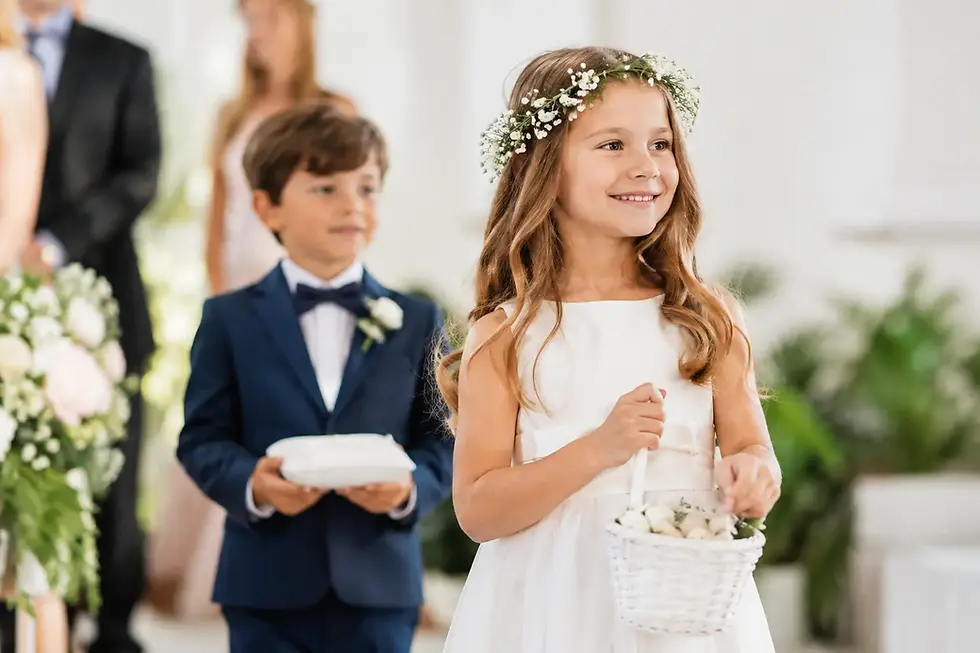
One of the most common issues is underestimating the processional. If you have several attendants, grandparents, parents, children, or multiple songs, the entrance can take much longer than expected. The walk itself is only part of it. People pause, adjust pace, and react emotionally.
Another common misstep is stacking too many spoken elements. Individually, each reading, reflection, or ritual seems short. Together, they can shift the ceremony from heartfelt to crowded. If everything is special, nothing has room to land.
There is also the temptation to cut ceremony time too aggressively in the name of keeping guests comfortable. Of course, guest experience matters. But most guests are not hoping for the shortest ceremony possible. They are hoping to witness something genuine. A ceremony with warmth, clarity, and emotional movement will hold attention far better than a rushed one.
Finally, rehearsal timing and real timing are not always the same. Rehearsals tend to be faster because there is less emotion and no audience. On the wedding day, every moment carries more weight. It is wise to expect the actual ceremony to take a bit longer than a quick run-through suggests.
A grounded range for most couples
If you are looking for a practical benchmark, 20 to 25 minutes is often a beautiful sweet spot for a personalized ceremony. It gives enough time for presence without feeling drawn out. If you are including custom vows and one reading, this range usually works very well.
If your ceremony is simpler and more concise, 10 to 15 minutes may be perfect. If you are including multiple readings, a ritual, or a more layered story-driven structure, 25 to 30 minutes can feel balanced and meaningful.
At Ceremonies By Hans, this is often the heart of the planning conversation - not how to make the ceremony longer or shorter, but how to make it feel true. The right timing supports the emotional arc. It lets the words settle. It allows your guests to witness not only a legal union, but a sacred moment shaped with care.
When you are deciding how long your ceremony should be, trust the shape of your story. The goal is not to fill time or race through it. The goal is to create a moment spacious enough for love to be seen, heard, and remembered.


Comments